
Sunday, April 14, 2013

Saturday, April 6, 2013
Personality Crisis: Nick's Thoughts on David O. Russell's "Silver Linings Playbook"
David O. Russell’s Silver Linings Playbook received near universal praise; the all-knowing Tomatometer gave it a whopping 96%, and the now late Roger Ebert said the film was “so good, it could almost be a terrific old classic.” It was nominated for eight Oscars, and Jennifer Lawrence even got to take home the little shiny man for Best Actress. Everyone loved this movie.
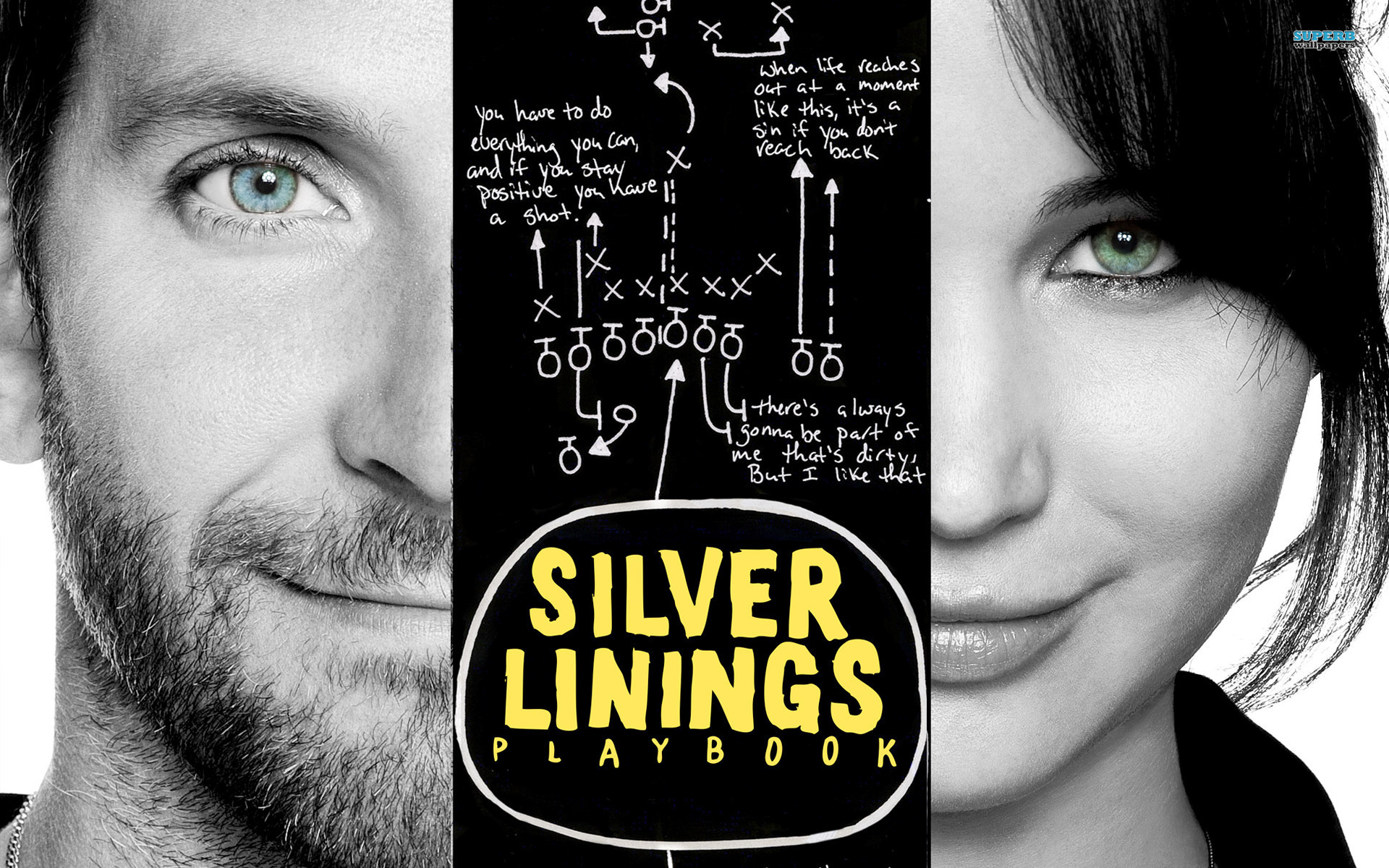
I saw it last
night. The local art house was chalked full with the Thursday night crowd –
mostly 55 and ups. They loved it. They laughed on queue. They even awwed on queue. Some of them clapped at
the end.
I was shuddering, and had been doing so throughout.
I couldn’t help
but compare the anxiousness Silver
Linings bred in me to the anxiousness people feel when watching Paul Thomas
Anderson’s Punch Drunk Love – the
anxiousness that so infamously drove our benevolent host, Adelaide, to pop a Xanax
and view the film in 15 minute increments. When a movie has that kind of effect
on its viewer, it’s doing something right. But I walked out of Silver Linings feeling like I’d been
played. I absolutely hated it, and that’s not something I throw around lightly.
How could I react so negatively to something that 96% of the movie-going public
enjoyed? Am I that much of a contrarian?
I don’t think so.
Contrarians are sad and lonely, and probably listen to Metallica ironically. My
gripe was not with the unease that was created on screen; I didn’t walk away
feeling violated by the content of the film. I did, however, walk away feeling violated by the haphazard way in
which the unease was presented.
A little
backstory: Silver Linings Playbook is
about mental illness. Or at least that’s how it starts. Bradley Cooper plays
Pat, our severely bi-polar protagonist, who has been staying in a mental health
facility. Pat went through a breakdown after walking in on his wife taking a
shower with a fellow teacher. He is prone to delusions and fits of rage. It’s
serious stuff. His father, played by Robert DeNiro, also shows signs of being
bi-polar and exhibits a few chronic obsessive compulsive tics. There are two
untreated mental illnesses under the same roof, and little is being done about
either.
In one scene, Pat
gets into a physical dispute with his parents, which leaves his mother, albeit accidentally,
elbowed in the face. The edits are quick and the shots are all a bit too close
to their subjects for comfort. As a viewer, you feel claustrophobic and trapped
– helpless – just as we can presume Pat
feels by his disorder. That’s the tone set the film’s first half.
It’s all very
realistic, and this is where an important distinction can be drawn between Silver Linings and Punch Drunk Love. When watching Barry in Paul Thomas Anderson’s
film, there is never any question that he is a caricature of humanity – of the loneliness
and isolation we can all feel to be specific – but Silver Linings clearly sets its viewers up for an unflinchingly
tough and realistic look at mental illness.
And then, halfway
through, everything changes.
Pat meets
Tiffany, who has recently become a widow, and displays similarly neurotic
behaviors. From this point on, Silver
Linings meanders into the territory of Rom-Com. I won’t go into specific
plot details, but the strange interactions between the two, fueled by their
respective mental conditions, become punch lines. Serious mental problems are
passed off as quirks, and as I said, people laughed at them. Seriously, red
wine spilled on white khaki slacks laughed.
It’s not as if I
have an aversion to films experimenting with genre. On the contrary, Punch Drunk Love plays with elements of
noir, the western, and new wave, among others. Where Anderson experiments
artistically with genre and explores the nature of humanity, Russell feels
around, trying to suss out his film’s identity. Its big finish is even a
literal one, as the film is wrapped up with a dance number, miles removed from
the violent outbursts of its first half. Russell’s tonal shift from “hard look at
mental illness” to “Pat meets Tiffany” exhibits a kind of irresponsibility that
is difficult to anticipate.
The film lacks
cohesion, and so far, I haven’t been able to come up with any sort of intentionality
on David O. Russell’s part.
But, 96% of critics can't be wrong, right?
Catch SAFC's discussion of Punch Drunk Love here.
Friday, April 5, 2013
What to Watch on Instant Watch: Slither

Good, gooey horror fun starring Nathan Fillion and Elizabeth Banks. Creepy slugs from space take over a small town, and man are they disgusting.
Thursday, April 4, 2013
Tuesday, March 26, 2013
Punch Drunk Love
Join us next week (Wed this time), when we will be taking a break from John Carpenter and discussing (fighting about) Punch Drunk Love.


Tuesday, March 19, 2013
What to Watch on Instant Watch: Murder She Wrote

Murder She Wrote: J.B. Fletcher solves murders when she isn't busy writing about them. Yes, it's a little old fashioned, but nothing can beat this show for fabulous guest stars and cheesy 80s outfits. Also, Cabot Cove must be the murder capital of the world, but no one ever mentions it.
Monday, March 18, 2013
Thursday, March 14, 2013
Coming Next Week: John Carpenter's Halloween
Join us next week when we will be discussing John Carpenter's Halloween with Damsels in Discussion's Brandi Sperry.


Monday, March 4, 2013
Friday, March 1, 2013
Coming Next Week: Our Series on John Carpenter Begins
Next week we are going to kick off our series on John Carpenter with a discussion about how he riffs on Rio Bravo with Assault on Precinct 13. Why John Carpenter you ask? Because he's awesome, that's why.


Subscribe to:
Posts (Atom)